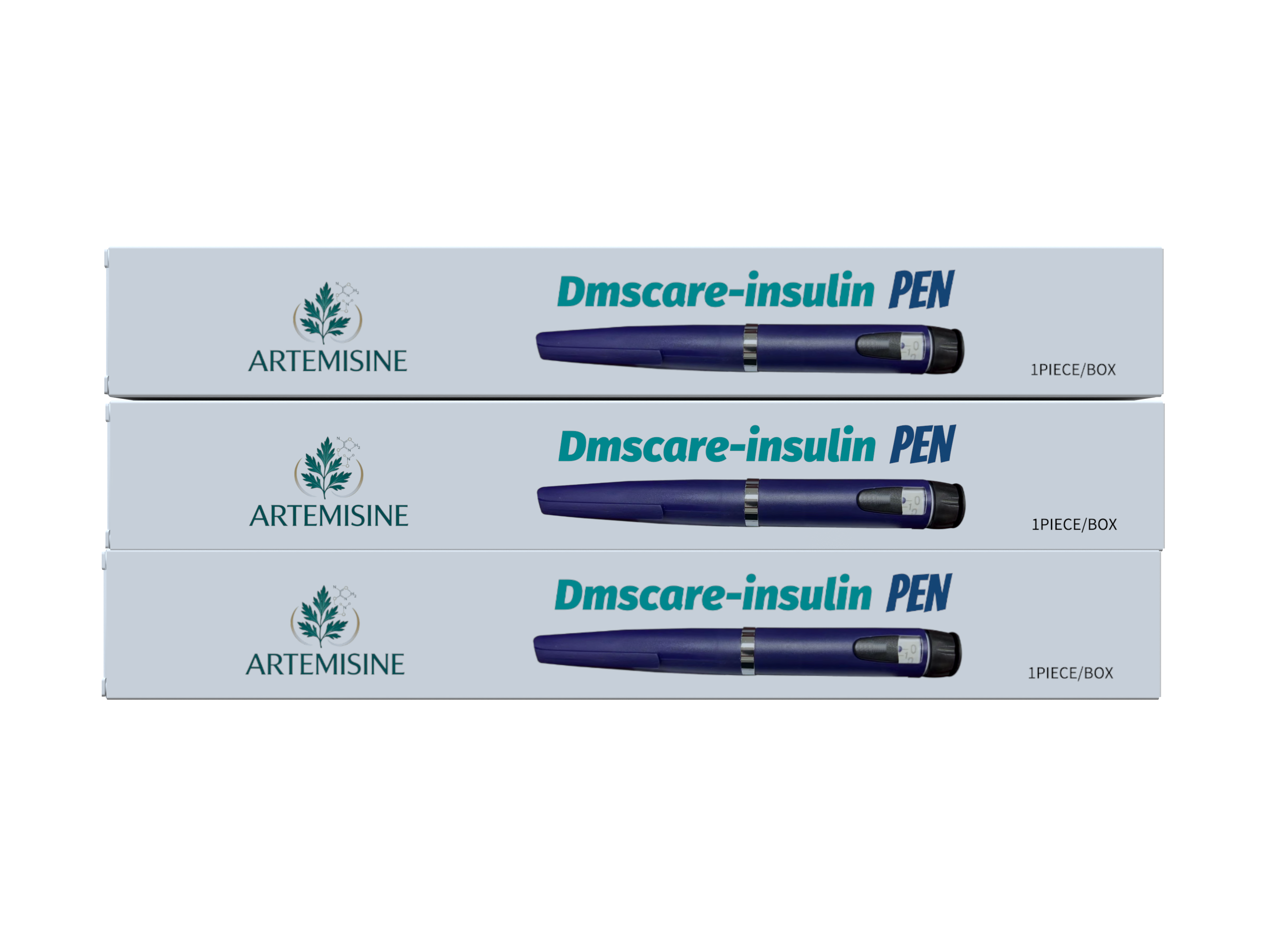
insulin pen use for injection

The pen injector is a precision, hand-held injection device designed to administer the medication contained in a standard 3 mL glass cartrid

insulin pen use for injection product packaging
Medical Device

insulin pen use for injection

The pen injector is a precision, hand-held injection device designed to administer the medication contained in a standard 3 mL glass cartridge. The device delivers the medication by subcutaneous injection in defined, reproducible dose increments. It is suitable for self-administration by the patient or for administration by a trained caregiver, and allows several doses to be delivered from one cartridge until it is empty. The pen injector is manufactured and tested in compliance with ISO 11608-1:2022, Needle-based injection systems for medical use — Requirements and test methods — Part 1: Needle-based injection systems.

Product Nameinsulin pen use for injection
Dosage FormMedical Device
Strength3 ml insulin pen
StandardsBP / ENTERPRISE
Packing1 pic/ box
DocumentsCOA, COPP, DMF, CTD Dossiers
MOQContact us for MOQ and current stock
Request Quotation › ← Back to Medical Device
WHO Prescribing Guidance

Indications · Administration · Dosage · Precautions

Reference information summarised from WHO prescribing guidance. Expand each item below — clinical use must always follow the locally approved product insert.

🎯Indications▾
The pen injector is intended for the subcutaneous administration of the medication supplied in its 3 mL cartridge, as prescribed by a physician. The device may be used for self-injection by the patient or for administration by a trained caregiver. The device itself has no therapeutic effect. The specific indications, contraindications and target patient group are determined by the medication loaded into the cartridge — refer to the medication package leaflet and to the prescribing physician’s instructions.
💧Administration▾
Follow the steps below for each injection. If you are uncertain about any step, ask your physician, pharmacist or nurse before use. 1. Wash and dry your hands before handling the pen. 2. Check the cartridge: confirm the expiry date and that the solution is clear and free of particles (see the medication leaflet); do not use the pen if it or the cartridge is damaged. 3. Remove the pen cap. 4. Attach a new pen needle: peel off the protective tab, screw the needle straight onto the cartridge holder, then remove the inner and outer needle caps (keep the outer cap for safe removal after injection). 5. Prime the pen (air shot) before every injection: dial a small dose (for example, 1–2 units), hold the pen with the needle pointing up, tap the cartridge holder gently so that air bubbles rise to the top, and press the injection button fully until a drop of liquid appears at the needle tip. 6. Select the prescribed dose with the dose dial and check the number shown in the dose window. 7. Choose an injection site and rotate it each time (for example, the abdomen or the thigh — follow the guidance in the medication leaflet), and clean the skin as instructed. 8. Insert the needle into the skin at the angle recommended in the medication leaflet, then press the injection button fully. 9. Keep the injection button pressed and hold the needle in place for about 10 seconds (or as instructed) to make sure the full dose is delivered, then withdraw the needle. 10. Remove the needle using the outer cap and dispose of it immediately in a puncture-proof sharps container; put the pen cap back on the pen. Always use a new needle for each injection. Never store the pen with a needle attached.
⚖️Dosage▾
The pen injector delivers exactly the dose set on the dose dial. Each click of the dose dial corresponds to one dose increment as calibrated for the device (for example, 1 unit per click — refer to the device label). The dose to be taken is prescribed by the physician according to the medication and the individual needs of the patient. The user must not change the dose without medical advice. The 3 mL cartridge holds sufficient medication for multiple doses. Check the remaining volume in the cartridge window; when the cartridge is empty (or the pen is finished, for single-use models), replace the cartridge or discard the pen and follow the in-use shelf-life given in the medication leaflet.
⚠️Precautions & Warnings▾
● Use a new needle for each injection. Never share the pen, the needle or the cartridge between patients — this can transmit infections. ● Do not use the pen if it is damaged, if the cartridge is cracked, or if the solution is discoloured or contains particles (see the medication leaflet). ● Always prime the pen before each injection to remove air and ensure accurate dosing. ● Do not adjust your dose without the instruction of your physician. ● Keep the pen and cartridges out of the reach of children. ● Store the pen and cartridges according to the medication storage instructions (typically away from heat, direct light and moisture; in-use conditions as stated in the leaflet). Do not freeze. ● Do not immerse the pen in water or any other liquid. Clean the outside only with a damp cloth. ● Dispose of used needles and cartridges in a puncture-proof sharps container in accordance with local regulations. ● If the injection is painful, if a skin reaction develops, or if the dose cannot be delivered in full, contact your physician or pharmacist. This document describes the pen injector device only. Medication-specific indications, contraindications, dosage, adverse effects and storage requirements are provided in the package leaflet of the medication concerned.

Reference: WHO Model Formulary / WHO Model List of Essential Medicines. For professional reference only — clinical use must follow the locally approved product insert and national treatment guidelines.

Why Order From Us

Factory Direct. Fully Documented.

🛡️

GMP Quality

Full batch testing and quality traceability under standard GMP workshops.

🚢

Fast Delivery

Sufficient stock on regular items, familiar with export logistics to 50+ countries.

📑

Registration Support

COA, DMF, dossier and legalization documents for your market registration.

FAQ

insulin pen use for injection — Frequently Asked Questions

Which documents are provided for insulin pen use for injection registration?

Every batch of insulin pen use for injection ships with a Certificate of Analysis (COA). For market registration we provide COPP, DMF and CTD-format dossiers, plus legalisation support where your authority requires it.

What is the MOQ and lead time for insulin pen use for injection?

MOQ and lead time for insulin pen use for injection depend on strength, packaging and destination market. Send us your target market and annual volume — our export team confirms current stock, MOQ and lead time within 24 hours.

Do you support OEM / private label?

Yes. We offer OEM packaging and private-label production for insulin pen use for injection, subject to the regulatory requirements of the destination market.

Which markets have you exported medical device products to?

We have supplied medical device products to 50+ countries across Africa, Southeast Asia, Latin America and the Middle East, with experience in ministry-of-health registration and international tenders.

How is the quality of insulin pen use for injection controlled?

insulin pen use for injection is produced in China-GMP workshops (site re-inspected and passed in 2026), released only after full QC testing against BP / enterprise standards, with retained samples kept for one year beyond the product's expiry date.

Ask About This Product ›
✎ 💬 ↑
👋 Hi! I'm Care, your product guide. Tap me to ask about our medicines & APIs. ×
Care - product guide assistant