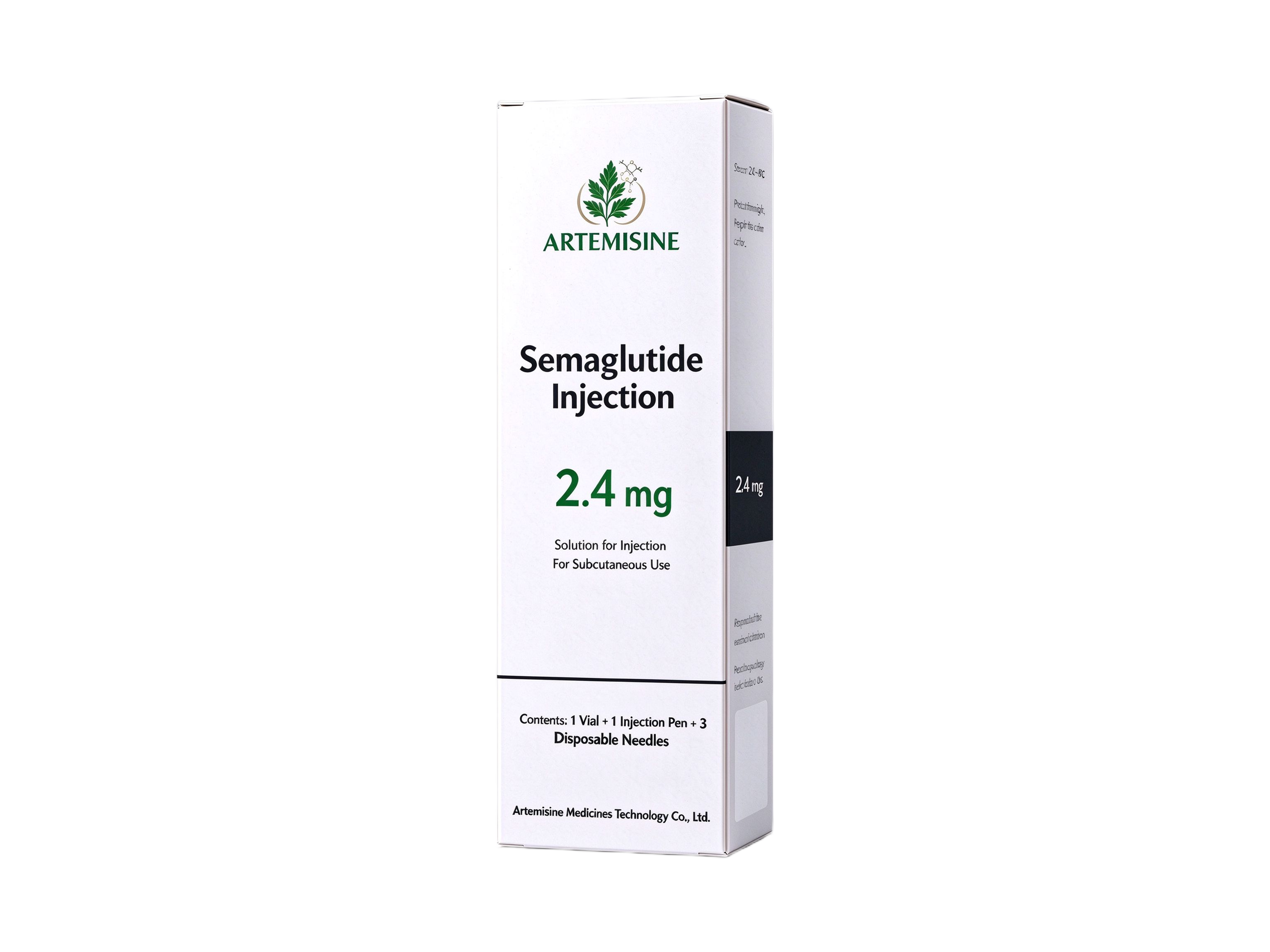
🎯Indications▾
● Weight management in adults with an initial BMI of ≥30 kg/m² (obesity), or ≥27 to <30 kg/m² (overweight) in the presence of at least one weight-related comorbidity
● Weight management in adolescents aged 12 years and above with obesity and a body weight above 60 kg
● Reduction of the risk of major adverse cardiovascular events (cardiovascular death, non-fatal myocardial infarction, or non-fatal stroke) in adults with established cardiovascular disease and either obesity or overweight (BMI ≥27 kg/m²)
● Treatment of non-cirrhotic metabolic dysfunction-associated steatohepatitis (MASH) with moderate to advanced liver fibrosis (stages F2–F3) in adults (approved under accelerated approval)
💧Administration▾
● Inject subcutaneously once weekly, on the same day each week, at any time of day, with or without meals
● Inject into the abdomen, thigh or upper arm; the injection site and the time of day can be changed without dose adjustment
● For subcutaneous use only — do not administer intravenously or intramuscularly
● Before each injection, visually inspect the solution; only use if it is clear, almost colourless and free of particles; use a new needle for each injection and dispose of it after use
● Missed dose: if a dose is missed, give it as soon as possible within 5 days of the missed dose; if more than 5 days have passed, skip the missed dose and resume the regular once-weekly schedule; when changing the dosing day, keep at least 3 days between doses
⚖️Dosage▾
Initiate at 0.25 mg once weekly and escalate the dose every 4 weeks to reduce gastrointestinal symptoms, reaching the maintenance dose of 2.4 mg once weekly after 16 weeks.
● In case of significant gastrointestinal symptoms, consider delaying dose escalation or lowering to the previous dose until symptoms improve; alternatively the maintenance dose may be reduced to 1.7 mg once weekly
● For weight management in adult patients with obesity, a higher maintenance dose of 7.2 mg once weekly may be used after at least 4 weeks on 2.4 mg (per approved labelling)
● If adults or adolescents have not lost at least 5% of initial body weight after 6 months of treatment, reassess whether to continue
● For adolescents, the same escalation schedule applies; weekly doses above 2.4 mg are not recommended
⚠️Precautions & Warnings▾
● Contraindicated in patients with a personal or family history of medullary thyroid carcinoma (MTC) or Multiple Endocrine Neoplasia syndrome type 2 (MEN 2), and in patients with known hypersensitivity to semaglutide or any excipient
● Boxed warning: semaglutide causes dose- and duration-dependent thyroid C-cell tumours in rodents; the relevance to humans has not been determined — counsel patients on symptoms of thyroid tumours (neck mass, dysphagia, dyspnoea, persistent hoarseness)
● Acute pancreatitis has been reported with GLP-1 receptor agonists, including post-marketing necrotising pancreatitis; discontinue if pancreatitis is suspected
● Acute gallbladder disease (cholelithiasis, cholecystitis) has occurred in clinical trials; if gallstones are suspected, arrange gallbladder studies and follow-up
● Hypoglycaemia: the risk is increased when used with a sulfonylurea or insulin; a reduction in the dose of the sulfonylurea or insulin may be necessary — educate patients on the signs and symptoms of hypoglycaemia
● Gastrointestinal adverse reactions (nausea, vomiting, diarrhoea) may cause dehydration and lead to acute kidney injury, especially in patients with impaired renal function; monitor renal function and advise patients to avoid fluid depletion
● Severe gastrointestinal adverse reactions have been associated with use; semaglutide is not recommended in patients with severe gastroparesis
● Hypersensitivity reactions, including anaphylaxis and angioedema, have been reported; discontinue and seek medical help if suspected
● In patients with type 2 diabetes and diabetic retinopathy, complications may occur — monitor closely; semaglutide lowers blood glucose but is not a substitute for insulin
● Heart rate may increase — monitor at regular intervals; inform healthcare providers of planned surgeries or procedures because of a risk of pulmonary aspiration during general anaesthesia or deep sedation
● Semaglutide delays gastric emptying and may affect the absorption of concomitantly administered oral medicines; consider monitoring for oral medicines with a narrow therapeutic index
● Pregnancy: may cause fetal harm — discontinue when pregnancy is recognised; discontinue at least 2 months before a planned pregnancy; breastfeeding is not recommended during treatment
● Do not use with other semaglutide-containing products or with any other GLP-1 receptor agonist
● Most common adverse reactions (incidence ≥5%): nausea, diarrhoea, vomiting, constipation, abdominal pain, headache, fatigue, dyspepsia, dizziness, abdominal distension, flatulence, gastroesophageal reflux disease and hair loss; in trials nausea occurred in 43.9%, diarrhoea in 29.7% and vomiting in 24.5% of patients
● Overdose may be associated with gastrointestinal disorders which can lead to dehydration; observe the patient for clinical signs and provide appropriate supportive treatment
● Storage: store in a refrigerator (2–8 °C) before first use and do not freeze; after first use, the pen may be kept below 30 °C or preferably refrigerated (2–8 °C) for up to 6 weeks; keep the cap on to protect from light
For full prescribing information, refer to the approved prescribing information / Summary of Product Characteristics of the product concerned .
Reference: WHO Model Formulary / WHO Model List of Essential Medicines. For professional reference only — clinical use must follow the locally approved product insert and national treatment guidelines.


 Artemisine Medicines